In the high-stakes world of academic funding, your grades get you in the door, but your essay gets you the money. For many students, how to write a winning scholarship essay is a mystery that feels like a wall. They sit in front of a blank screen, wondering how to summarize their entire life in 500 words. This article is designed to break down that wall. We will look at the psychology of the scholarship committee and the structural secrets of essays that actually win.
The Secret Weapon: The Hook
Scholarship reviewers often read hundreds of essays in a single week. By the 50th essay, they are tired and bored. If your essay starts with “I want this scholarship because I need money,” you’ve already lost. You need a “Hook”—a powerful, vivid opening that grabs their attention and forces them to keep reading. Use an anecdote, a startling fact, or a moment of crisis in your life to set the stage immediately.
Show, Don’t Just Tell
This is the golden rule of how to write a winning scholarship essay. Instead of saying “I am a hard worker,” describe the time you worked 30 hours a week while maintaining a 4.0 GPA. Instead of saying “I am a leader,” describe the specific project you led and the measurable results you achieved. When you “Show,” the reader reaches the conclusion themselves, which is much more persuasive.
Structure of a High-Impact Essay
A winning essay isn’t just a list of facts; it’s a carefully crafted narrative arc.
- The Introduction (The Hook): Grab attention and introduce the theme of your essay.
- The Challenge (The Conflict): Discuss a specific obstacle you faced. This shows resilience.
- The Growth (The Solution): Explain how you overcame the challenge and what you learned.
- The Future (The Vision): Connect your education to your future goals and explain how the scholarship helps.
- The Conclusion (The Full Circle): Reiterate your main theme and leave a lasting impression.
Answering the “Why Me?” Question
Every scholarship essay is ultimately an answer to one question: Why are you a better investment than the other 200 applicants? To answer this, you must research the donor. If the scholarship is provided by a tech company, focus on your innovation and technical skills. If it’s a social justice foundation, focus on your advocacy. Understanding how to write a winning scholarship essay means understanding the *audience* of that essay.
Avoiding the Clichés
Committees have heard the “My grandfather was my inspiration” story a thousand times. If you use a common theme, you must find a unique angle. What specific lesson did you learn? How did that lesson change your specific career path? Use specific details—names of places, dates, and particular emotions—to make the story undeniably yours.
The Editing Phase: Where the Magic Happens
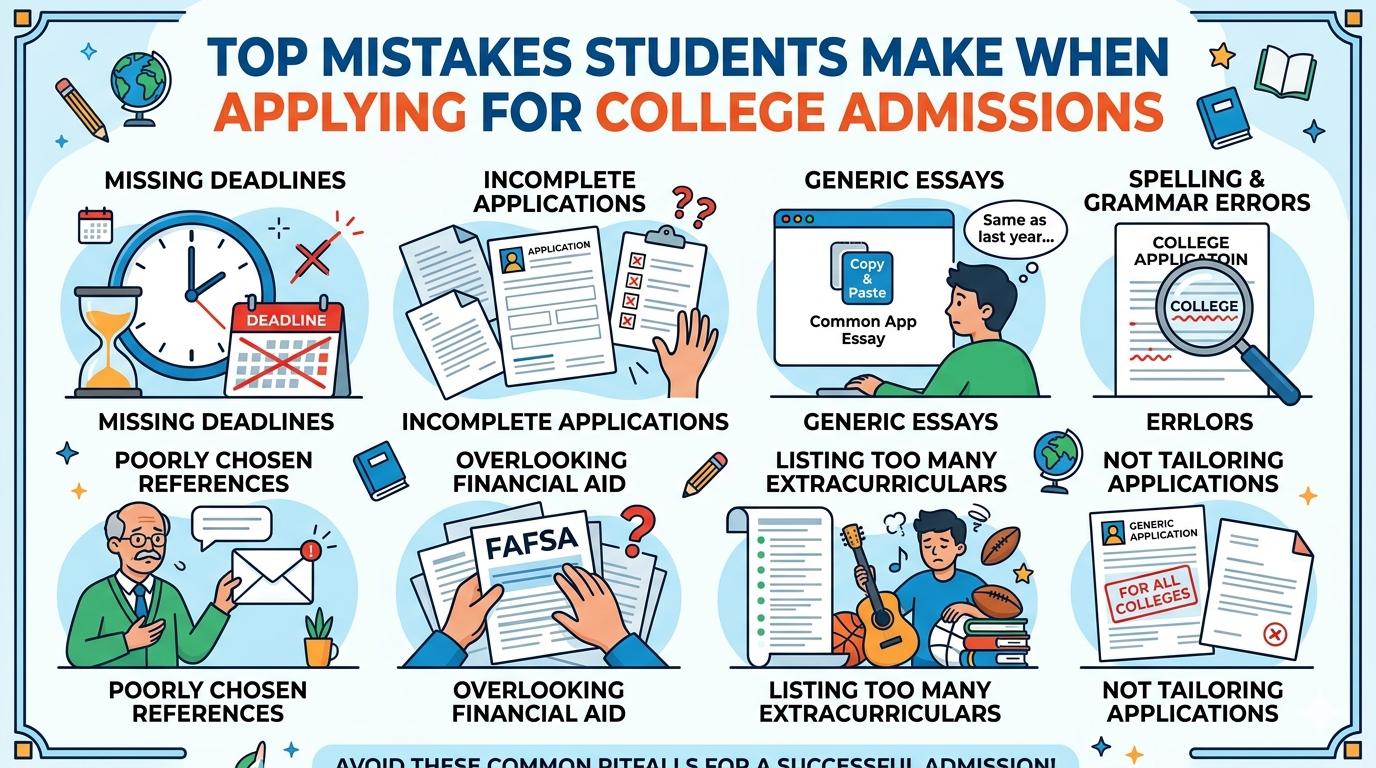
Nobody writes a masterpiece on the first try. Once you have a draft, walk away for 48 hours. When you return, read it out loud. If you stumble over a sentence, the reader will too. Cut every unnecessary word. Every sentence should either show your character or explain your goals. If it does neither, delete it. Finally, have three different people proofread it. A single typo can signal a lack of attention to detail.
Conclusion
Learning how to write a winning scholarship essay is a skill that will serve you for the rest of your career. It’s about more than just money; it’s about learning to tell your story in a way that creates value. Be authentic, be specific, and most importantly, be brave enough to show the committee who you really are. The best essays aren’t written with a pen; they are written with the heart. Good luck—your story is worth telling.
Frequently Asked Questions
How long should a scholarship essay be?
Most are between 250 and 750 words. Always stick strictly to the word count. If they ask for 500, don’t write 510.
Can I be *too* personal in my essay?
Vulnerability is good, but it should always lead to a positive lesson or growth. Avoid “trauma dumping” without showing how you’ve overcome the situation.
Should I talk about my financial need?
Only if the scholarship specifically asks for it. If it’s a merit-based scholarship, focus on your achievements instead.
Can I use AI like ChatGPT to write my essay?
AI can help with brainstorming and outlines, but never let it write the final draft. It lacks the personal voice and specific details that make an essay win.
What is the most common mistake in scholarship essays?
Repeating information that is already in your resume. Use the essay to tell the *story* behind the resume bullet points.